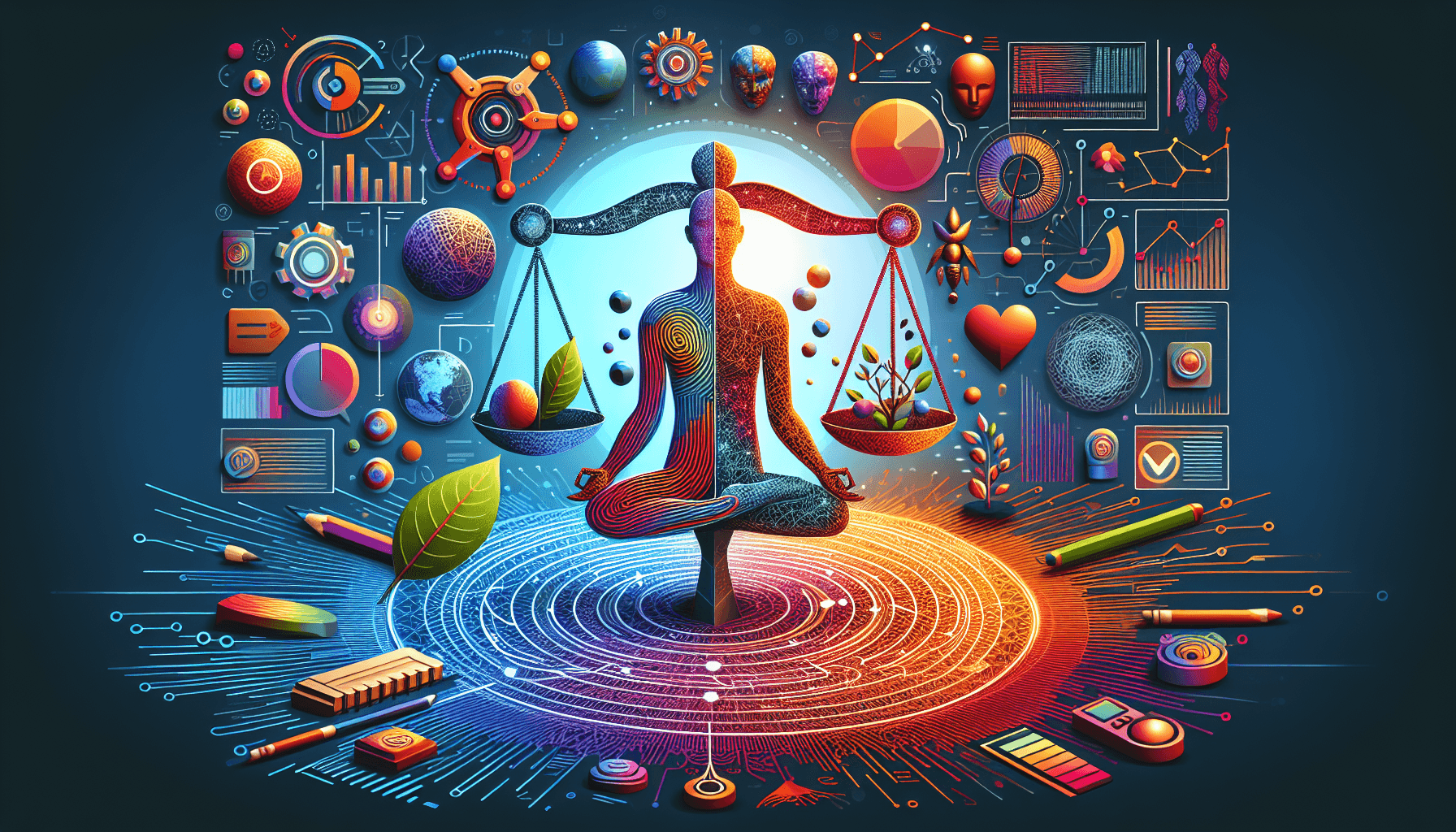
Exploring the Ethical Implications of AI-Generated Art
Artificial Intelligence is revolutionizing the art world, but with innovation comes a myriad of ethical dilemmas. From questions about creativity to concerns over ownership and authenticity, AI-generated art challenges traditional notions in the art community.
Problem: Creativity and Authenticity
AI's ability to mimic artistic styles raises questions about creativity and authenticity. Is art still art if created by a machine? Many purists argue that art requires human emotion and intention, qualities seemingly absent in AI creations.
- AI can replicate complex styles, but lacks the emotional depth.
- Authenticity concerns arise when AI art mimics famous artists.
Solution: Redefining Creativity
To navigate these challenges, we must redefine what creativity means in the AI era. Embracing AI as a tool rather than a creator allows us to explore new artistic frontiers.
- Collaboration: Artists can collaborate with AI to enhance creativity.
- Innovation: AI serves as a catalyst for exploring new styles.
Problem: Ownership and Intellectual Property
Who owns AI-generated art? This question is at the heart of legal and ethical debates. Traditional copyright laws struggle to apply to works created by machines.
- Ownership disputes arise when AI-generated art is sold.
- Intellectual property laws need updating to address AI creations.
Solution: Legal Frameworks and Policies
Developing new legal frameworks is essential to address ownership issues. Policymakers and artists need to collaborate on creating guidelines that recognize AI's role in art creation.
- Policy Development: Implement policies that define ownership rights.
- Collaboration: Encourage dialogue between tech developers and legal experts.
Problem: Market Impact and Fair Use
The rise of AI-generated art affects the traditional art market. Concerns about fair use and market saturation are prevalent.
- AI art can saturate the market, affecting traditional art sales.
- Fair use becomes complex with AI's ability to replicate styles.
Solution: Balancing Innovation with Tradition
To maintain balance, the art community should promote both AI and traditional art forms. Educating consumers about the value of both can ensure a healthy market.
- Education: Raise awareness about AI art's potential and limitations.
- Integration: Encourage galleries to showcase both AI and handmade art.
Tools for Navigating AI Art
To help artists and collectors navigate these ethical challenges, several AI tools offer valuable insights and capabilities:
- Artbreeder: Combines different styles to create unique artworks.
- DeepArt: Transforms photos into artistic masterpieces using AI.
- Runway: Provides tools for artists to experiment with AI models.
Conclusion: Embracing the AI Art Revolution
AI-generated art is here to stay, offering exciting possibilities and challenging ethical landscapes. By redefining creativity, updating legal frameworks, and balancing market dynamics, the art world can embrace this revolution responsibly.
For artists and enthusiasts eager to dive deeper into AI's capabilities, exploring tools like LetsAI Pro will unlock new dimensions in creativity and innovation. Join us in shaping the future of art with technology.